Christmas Unicorn Illustration: A Graphics Asset for Editorial Magic
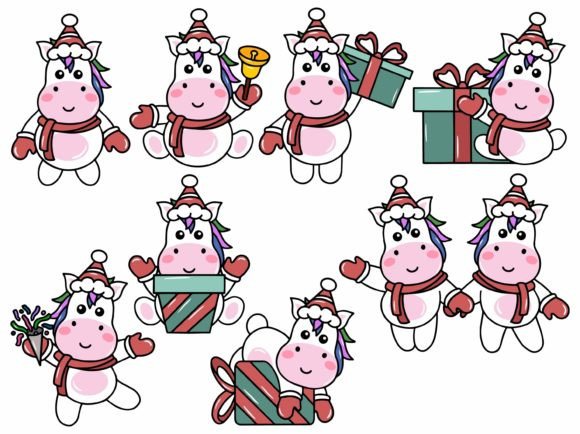
As a blog designer, the first file I open for a seasonal content series is often the hero graphic. Today, it’s a Christmas Unicorn Illustration. The immediate impression is a blend of whimsical festive charm and versatile, clean artistry. This isn’t just a clip-art Santa hat on a pony; it’s a design asset crafted with a specific, joyful editorial mood that feels both playful and polished. It naturally supports content niches around holiday lifestyle, family-focused blogs, creative entrepreneurship, feminine branding, seasonal gift guides, and magical educational content for kids.
Setting the Editorial Tone: Where This Illustration Creates Trust
Visual communication starts with mood. This illustration establishes a tone of celebratory wonder. For a publisher, that means readers arriving on a blog post, landing page, or digital guide immediately feel invited into a specific, cohesive world. Using this graphic as a featured image or website header signals a content theme that is decorative, artistic, and intentionally festive. This consistency builds reader trust—they recognize the visual identity and understand the content’s purpose before even reading the headline.
Real Publishing Workflow: From Canva Template to Clickable Pinterest Pin
Imagine preparing a December content batch. The Christmas Unicorn Illustration becomes the cornerstone graphic. I drop it into a Canva template for a blog featured image, overlaying a bold sans-serif font headline for a holiday DIY guide. The same core asset, slightly cropped and with added text, becomes a tall Pinterest pin for a “Magical Christmas Printables” post. Its clear focal point and festive colors promise strong click-through potential. For a newsletter announcing a seasonal lead magnet, this illustration serves as the banner, creating a visual hierarchy that makes the offer feel special and cohesive with the website’s branding.
Beyond the Blog Post: Supporting Content Performance Everywhere
The product description hints at physical items, but for digital publishing, its uses are profound. Here’s how this single graphic design asset can elevate a content strategy:
- Blog Graphics & Featured Images: Provides an instant, professional-looking thumbnail for article categories like “Holiday Crafts” or “Family Activities.”
- Downloadable Resources & Lead Magnets: Perfect as the cover art for a digital guide like “A Unicorn’s Guide to Christmas Recipes” or a worksheet for kids.
- Social Media Graphics & Preview Images: Creates consistent branding across Instagram posts, Facebook updates, and Twitter previews for affiliate content about holiday decor.
- Website Branding Accents: Can be used in sidebar widgets, category page headers, or as decorative elements in a media kit for a creative business.
- Digital Product Covers: An ideal, mood-setting graphic for an eBook cover or a set of printable stickers sold as a digital download.
Each use strengthens the overall visual identity, making your content pages look curated and intentional, not hastily assembled.
Where This Asset Works Best: Hero Images and Content Upgrades
For maximum impact, use the Christmas Unicorn Illustration in prominent, high-visibility roles. Its artistic detail deserves space.
- Hero Images and Website Headers for a seasonal landing page.
- Article Thumbnails in a grid layout for a holiday blog series.
- Pinterest Pins where its magical theme stands out in a busy feed.
- Newsletter Headers to grab attention in a crowded inbox.
- Content Upgrades and Digital Guide Covers where it adds perceived value.
Publisher Notes: Practical Tests Before You Publish
Every experienced designer runs real-world tests. Before committing this graphic to a live page, I do the following:
- Preview it on both desktop and mobile screens. Does the magical detail get lost on a small phone thumbnail?
- Place it inside a dummy blog post layout with headline text overlay. Check contrast and readability—does a script font compete or complement?
- Try it alongside various font styles: a sleek sans-serif for modern blogs, a serif for editorial feel, a playful handwritten font. The illustration pairs well with many, but test.
- Review the file size. For web performance, always compress the image properly without losing quality for its intended use.
- The most crucial step: confirm the commercial licensing terms. For use on monetized websites, affiliate pages, or paid digital products, you must have the right license. Never assume.
A Caveat for Context: Where to Use Carefully
This is a distinctly festive, whimsical asset. Its application should match the content’s tone. Use it carefully in these scenarios:
- Very Small Mobile Thumbnails where fine details may become indistinguishable.
- Text-Heavy Blog Images where the illustration might compete with dense paragraphs if used as a full-width background.
- Serious Professional Niches like corporate finance blogs or legal sites—the mood mismatch would confuse readers.
- Busy Layouts where it could add visual clutter rather than hierarchy.
- Minimalist Visual Systems that rely on stark geometry and neutral palettes.
Understanding these boundaries is key to effective editorial design.
The Final Impression: A Design Asset for Seasonal Storytelling
In the end, the Christmas Unicorn Illustration is more than a graphic; it’s a tool for visual storytelling. For bloggers, publishers, and creative entrepreneurs crafting holiday content, it offers a ready-made pillar for branding. It supports stronger first impressions, clearer category recognition, and more professional-looking pages across your entire digital publishing workflow—from the blog post to the Pinterest pin to the downloadable gift inside your newsletter. When chosen and applied with strategic intent, such design assets transform simple content into a cohesive, clickable, and trusted editorial experience.