A Guinea Pig Illustration for Festive Branding
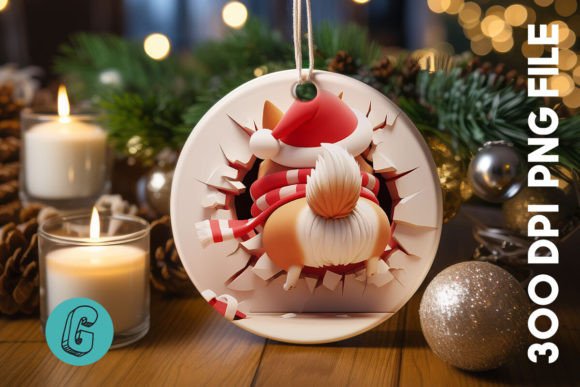
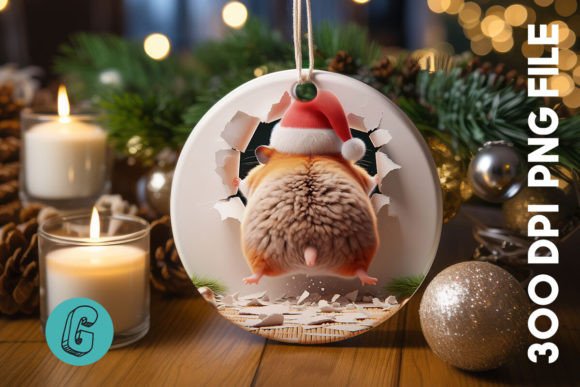
As a brand designer reviewing assets for client projects, my first task is to imagine them in context. When I opened Guinea Pig Christmas Ornament Back 01, my immediate impression was one of playful charm and gentle festivity. This isn't a loud, cartoonish graphic; it carries a soft, decorative quality that suggests warmth and approachability. For a local business, this mood translates into a brand personality that is friendly, whimsical, and perfectly suited for seasonal campaigns or businesses centered around care, comfort, or niche hobbies.
Where This Guinea Pig Graphic Finds Its Home
This illustration feels inherently handmade and personal. I envision it seamlessly integrating into the branding of a small bakery creating holiday cookie boxes, a boutique selling children's apparel or plush toys, a cozy candle brand, or a specialty florist offering festive arrangements. Its decorative nature leans towards rustic or soft modern aesthetics rather than stark minimalism or corporate sleekness. For a business owner, choosing an asset like this is a declaration: your brand values charm, connection, and a touch of nostalgic celebration.
Transforming a Graphic into Real Business Materials
The true test of any design asset is its application. Guinea Pig Christmas Ornament Back 01 isn't just a digital file; it's a potential cornerstone for a cohesive visual identity. For a hypothetical local pet treat bakery, I could see this graphic serving multiple roles. It could become a secondary logo element on their website and social media, establishing a stronger emotional connection with their community of pet lovers. The primary use, however, would likely be in packaging design.
This illustration could be the hero graphic on a holiday-themed treat bag label, instantly communicating the product's festive spirit and target audience. It could be scaled down as a decorative accent on hang tags, thank-you cards tucked into orders, or as a repeating pattern on the interior lining of a gift box. For promotional visuals, it would be perfect for social media graphics announcing the seasonal product launch, featured in website banners, or used in printable flyers for local markets. Its style would lend itself beautifully to product mockups, making online listings feel more professional and inviting.
The Practical Impact on Brand Perception
Using a well-executed, consistent graphic like this across all touchpoints does more than just decorate; it builds trust. For a customer, seeing the same charming guinea pig motif on the packaging, the website, and the Instagram post creates a clear and reliable visual hierarchy. It signals that the business is intentional and polished. On a physical product, this improves shelf appeal—a stand-out element against more generic competitors. For marketing visuals, it provides a ready-made, professional-looking element that elevates ads or posts beyond basic text.
Ultimately, this asset supports a stronger first impression. A customer receives a holiday order with a tag featuring this illustration; the experience feels curated and special, not merely transactional. This polished presentation fosters a stronger emotional connection, which is the gold standard for local, handmade, and boutique businesses.
Best Practices for Application in Commercial Design
As a brand designer, I would champion Guinea Pig Christmas Ornament Back 01 for specific applications. It works excellently as a focal point on product labels, especially for seasonal editions. It’s ideal as a decorative brand element on less text-heavy items like thank-you cards, stickers, or menu graphics for a themed café. It can serve as a hero graphic in promotional banners or as the central visual in a social media campaign. Its scalable nature makes it suitable for larger formats like posters or window displays in a boutique.
However, its use requires careful consideration in certain contexts. I would avoid placing it in formal corporate branding where its playful tone might clash. On very small labels, like those for ingredient lists, the detail might become lost. It shouldn't compete with important legal text or be used on already crowded packaging layouts. For luxury minimalist brands seeking a stark aesthetic, this decorative illustration would likely be too ornate. The key is to let it shine where it can be the star, not force it into roles where it becomes visual clutter.
A Designer’s Checklist Before Client Deployment
Before integrating any graphic design asset like Guinea Pig Christmas Ornament Back 01 into a real client project, a professional review is essential. My process would involve several practical steps.
- Mockup First: Place the graphic on real packaging mockups—a digital template of a candle box, a treat bag, a coffee sleeve—to see how it interacts with logos and text.
- Test Scale: Preview it at the actual size it will be used, especially on small tags or labels, to ensure detail remains clear.
- Check Versatility: Test its appearance on both black and white backgrounds, and alongside your client’s brand colors.
- Review Compatibility: See how it pairs with different font styles: does it harmonize with a friendly sans-serif, or clash with a formal script? This dictates typography choices.
- Assess the Competition: Compare packaging using this asset against competitor designs to gauge its uniqueness and shelf impact.
- Verify Technical Specs: For print projects, confirm the file’s resolution and quality. If it’s an SVG or vector file, inspect its editability for potential color adjustments.
- License Confirmation: This is paramount. Before any commercial use—for branding, physical product sales, or promotional ads—confirm the asset has a commercial license that covers your client’s intended use.
This guinea pig illustration, when viewed through this rigorous lens, becomes more than a cute graphic. It becomes a strategic tool. For the creative entrepreneur or local business owner, it offers a path to a more consistent, professional, and emotionally resonant brand identity. It allows you to build a visual story around your products, one that customers will remember and associate with the care you put into your work. In the world of small business branding, that story is everything.